

























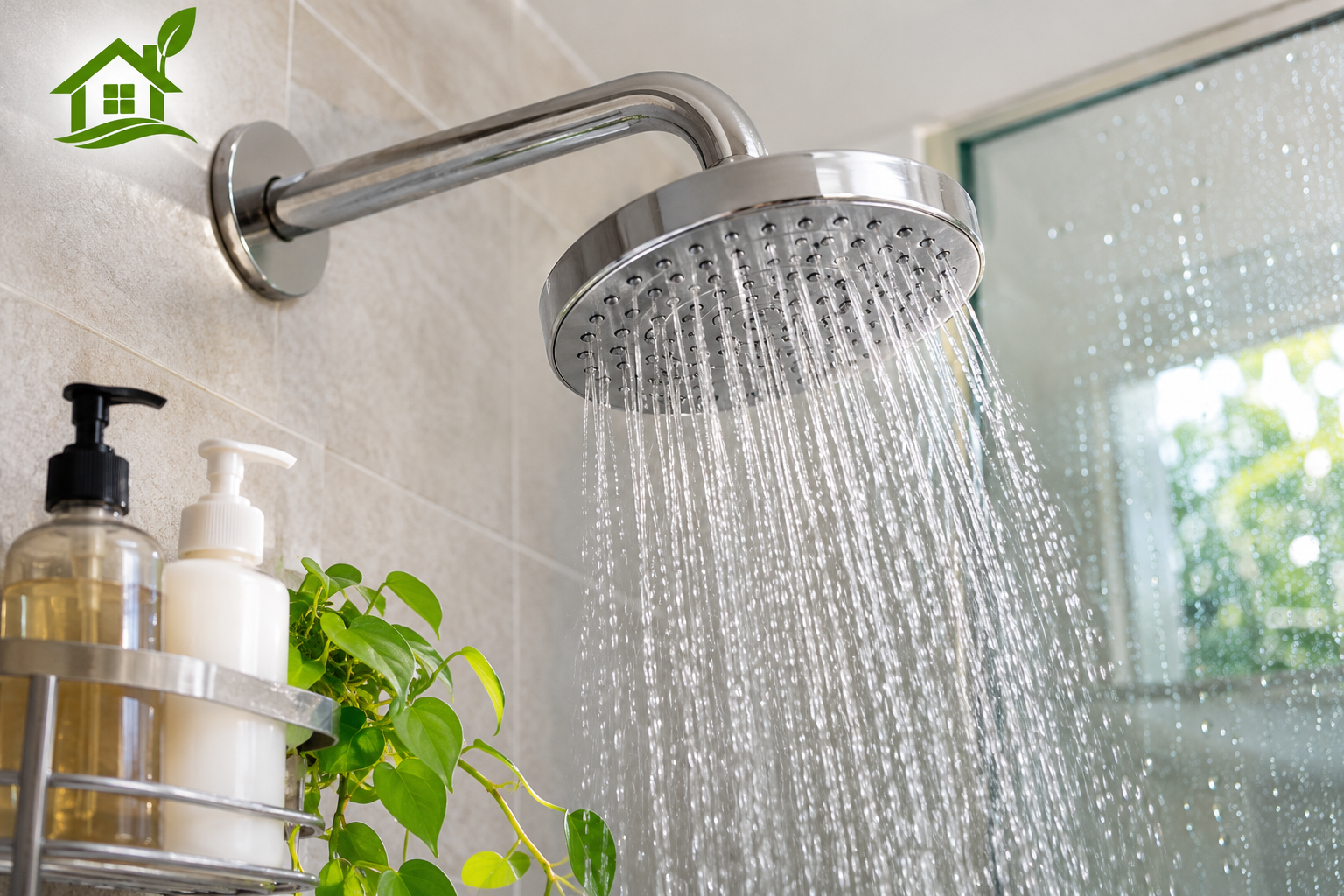
The Challenge of Weak Shower Pressure and Restrictive Water Flow
Stepping into a shower only to experience a weak, trickling stream is one of the most frustrating daily home experiences. Low water pressure in the shower makes washing hair difficult, extends shower times, and ruins an otherwise refreshing routine. While severely corroded interior pipes can cause low flow, the root cause is often much simpler—such as mineral scale build-up inside the showerhead, a partially closed shutoff valve, or a highly restrictive flow regulator disc. Homeowners routinely struggle to diagnose whether their weak shower flow stems from local fixture clogs or system-wide household pressure issues. Finding a clear, step-by-step troubleshooting path to restore a invigorating spray is essential for any home DIYer.
Furthermore, jumping straight to expensive plumbing overhauls without testing your showerhead’s actual flow rate (GPM) can lead to wasted money on unnecessary repairs.
Why Unaddressed Mineral Scale, Flow Restrictors, and Closed Valves Cause Trickling Showers
Neglecting simple water pressure checks or relying on damaged plumbing components creates several ongoing daily bottlenecks:
-
Mineral Scale Clogs: Hard water minerals (calcium and magnesium) gradually accumulate inside showerhead nozzles, restricting water exit points and causing weak, uneven spray patterns.
-
Overly Restrictive Low-Flow Devices: Built-in plastic flow restrictors or low-flow showerhead designs (1.5 GPM or lower) severely limit water volume, delivering an unsatisfactory spray even when main home water pressure is optimal.
-
Partially Closed Branch Isolation Valves: Emergency shutoff valves located along basement or wall supply lines that aren’t fully opened restrict water volume before it ever reaches the shower valve.
Settling for weak, trickling shower spray leads to longer, inefficient showers, frustration during daily routines, and unnecessary plumbing expenses.
The Solution: Flow Testing (GPM), DIY Scale Removal & Step-by-Step Valve Adjustments
The ultimate solution for restoring shower pressure lies in executing a systematic troubleshooting process. By performing a simple 5-gallon bucket test to calculate your current flow rate in gallons per minute (GPM), you can immediately determine whether your shower falls below the standard 2.0 GPM WaterSense or 2.5 GPM federal maximum limits.
From soaking scaled showerheads in white vinegar and extracting internal flow restrictor discs to fully opening main house shutoffs and flushing water heaters, homeowners can resolve most low-pressure issues in 10 to 30 minutes using simple household tools.
Technical Overview: Flow Rate Standards & Diagnostic Test
Before attempting mechanical fixes, measure your showerhead’s actual water output to confirm whether the pressure drop is localized to the fixture or widespread across your plumbing.
| Flow Rate Metric (GPM) | Classification Standard | Performance Description |
| 1.5 GPM | Low-Flow Standard | Water-conserving rate; can feel weak under low main pressure. |
| 2.0 GPM | U.S. EPA WaterSense Standard | Current eco-friendly standard for efficient modern showerheads. |
| 2.5 GPM | U.S. Federal Legal Maximum | Maximum legal flow rate established for standard U.S. showerheads. |
Flow Rate Calculation Formula:
GPM = 5 Gallons / Time to fill bucket (in decimal minutes)

Example:
A 5-gallon bucket fills in 2 minutes and 30 seconds (2.5 minutes).
5 / 2.5 = 2.0 GPM Flow Rate
Step-by-Step Guide: 10 Ways to Increase Shower Water Pressure
Follow this logical troubleshooting sequence—starting with the simplest tool-free cleaning methods before advancing to valve adjustments and professional system upgrades.
01. Clean and De-Scale the Showerhead
-
Problem: Hard water mineral scale clogs individual nozzle openings, choking water flow.
-
Action: Unscrew the showerhead and submerge it in a bowl of undiluted distilled white vinegar for at least 8 hours. Use a toothpick or small brush to clear loosened debris from spray nozzles before reinstalling and flushing with high-volume water.

02. Inspect and Clear the Shower Arm Pipe
-
Problem: Mineral deposits or debris build up inside the metal pipe exiting the wall.
-
Action: Wrap a rag around the shower arm to protect its finish, then use adjustable pliers to unscrew the arm from the wall connection. Inspect the interior for rust or scale, clean with a bottle brush, and reattach.

03. Remove or Upgrade Water-Restricting Devices
-
Problem: Internal plastic flow restrictor discs or older low-flow showerheads severely throttle water volume.
-
Action: Remove the showerhead and locate the small colored plastic disc seated inside the inlet thread connection. Carefully pry out the restrictor disc with a small screwdriver or needle-nose pliers, or replace the fixture with a high-efficiency 2.5 GPM pressure-boosting model (where legally permitted).

04. Replace a Damaged Handheld Shower Hose
-
Problem: Internal hose kinks, leaks, or collapsed inner liners in handheld shower units restrict water velocity.
-
Action: Unscrew old hose fittings at the bracket and wand. Replace with a flexible, high-flow stainless steel or reinforced silicone hose.

05. Ensure In-Line Supply Isolation Valves Are Fully Open
-
Problem: Branch shutoff valves in the basement, utility closet, or access panel leading to the shower are partially turned off.
-
Action: Locate supply pipe shutoffs and turn valve handles fully counterclockwise (or parallel to the pipe for lever ball valves) to allow maximum water volume.

06. Replace the Single-Handle Shower Volume Control Valve
-
Problem: Worn, mineral-clogged, or failing pressure-balancing mixing cartridges inside the shower handle restrict flow.
-
Action: Turn off main water, remove handle trim, and extract the old mixing cartridge. Replace with a matching manufacturer cartridge to restore proper pressure balance and volume control.

07. Verify the Main House Water Shutoff Valve
-
Problem: The main water entry valve for your home was left partially closed after recent plumbing work.
-
Action: Locate your main house shutoff valve (where the supply line enters the home). Ensure gate valves are rotated fully counterclockwise or lever handles sit completely parallel to the main pipe.

08. Check the Curbside Main Meter Valve
-
Problem: Municipal water workers or contractors left the curbside meter valve partially closed.
-
Action: Inspect the curbside water meter box. Ensure the main valve lever is fully aligned with the supply line. Contact your local municipal water utility if the meter box is locked or requires specialized key tools.

09. DRAIN AND FLUSH THE WATER HEATER
-
Problem: Heavy sediment accumulation at the bottom of tank-style water heaters restricts hot water flow and reduces overall system pressure.
-
Action: Connect a garden hose to the water heater’s bottom drain valve, open the pressure relief valve, and flush built-up mineral sediment out of the tank annually.

10. Install an Electric Water Pressure Booster System
-
Problem: Naturally low municipal supply pressure or well-system limitations cause whole-house pressure deficits.
-
Action: Hire a licensed plumber to install an inline electric water pressure booster pump and expansion tank ($200 to $1,200 for equipment) to systematically boost pressure across all home fixtures.

4-Step Actionable DIY Summary Protocol
To methodically solve your shower’s low water pressure today, follow these core steps:
-
Perform the 5-Gallon Bucket Test: Time how quickly your shower fills a 5-gallon bucket to calculate your baseline GPM flow rate.
-
Execute an 8-Hour Vinegar Soak: De-scale your showerhead face and nozzles in white vinegar to eliminate mineral blockage without harsh chemicals.
-
Pry Out Internal Flow Restrictors: Remove restrictive plastic flow discs located inside the showerhead inlet to instantly increase water throughput.
-
Audit Pipe & Main Isolation Valves: Verify that all branch isolation valves, main house shutoffs, and curbside meter valves are turned fully counterclockwise to open position.
Proven Home ROI Across Plumbing Upgrades
Real-world plumbing maintenance and contractor guidance confirm clear practical benefits:
-
Restored Bathing Comfort: Deep cleaning and restrictor removal instantly restore full 2.0 to 2.5 GPM spray velocity for luxurious daily showers.
-
Extended Fixture Lifespan: Regular vinegar de-scaling and annual water heater flushing prevent permanent mineral damage to expensive valves.
-
Avoided Contractor Costs: Resolving showerhead clogs and valve restrictions yourself saves hundreds of dollars in unnecessary plumber service calls.
Elevate Your Bathroom Experience Today
Do not let mineral scale, restrictive flow discs, or partially closed valves ruin your daily shower experience. Following this systematic 10-step troubleshooting guide—from simple vinegar soaking to valve adjustments—guarantees a strong, invigorating shower spray for your home.
Start testing your shower’s GPM flow rate and de-scaling your showerhead today!
Which troubleshooting step are you planning to try first—de-scaling your showerhead with a vinegar soak, checking for internal flow restrictors, or testing your baseline GPM flow rate?





A senior editor for The Mars that left the company to join the team of Barfi as a news editor and content creator. An artist by nature who enjoys video games, guitars, action figures, cooking, painting, drawing and good music.